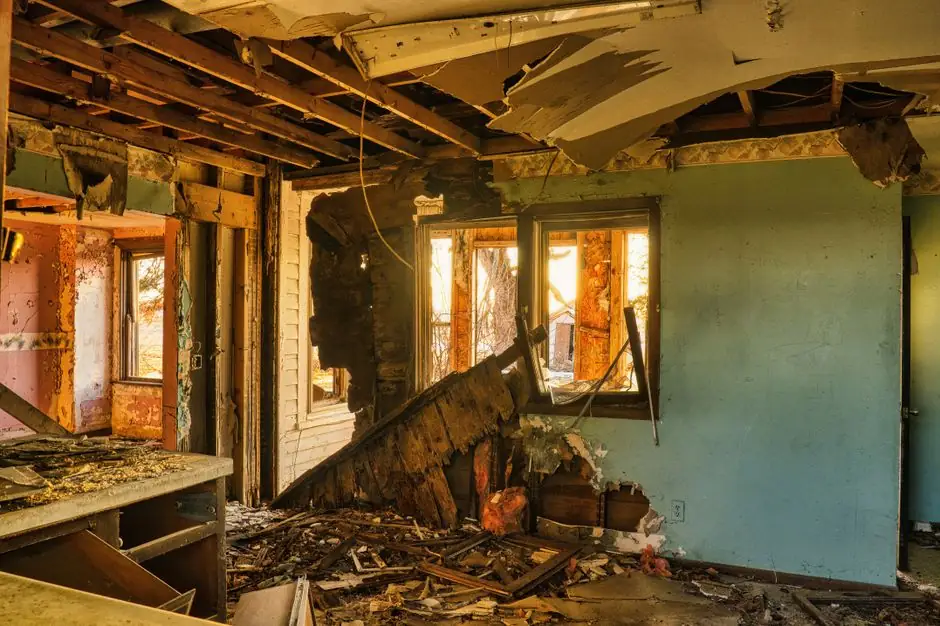
Identifying signs of termite damage in your home is crucial for preventing extensive structural issues. Look for mud tubes, hollow-sounding wood, and frass to catch infestations early. This article will guide you through the various signs of termite damage, how to spot them, and when to seek professional help from Termite Control in Georgia.
Termite damage is the destruction of wood and other organic materials caused by termites. These pests can silently cause significant damage to homes and buildings, making early detection essential.
How to identify signs of termite damage
To effectively identify signs of termite damage, you should conduct regular inspections of your home, especially in areas known to be vulnerable. Look for changes in wood, signs of moisture, and unexplained structural issues.
Common signs of termite damage
Homeowners in Georgia should be aware of several common signs indicating termite damage:
- Mud tubes: These are pencil-sized tunnels made of soil and wood particles that termites use to travel between their nests and food sources.
- Hollow-sounding wood: Tap on wooden structures; if it sounds hollow, it may indicate that termites have eaten away at the interior.
- Frass: Termite droppings resemble sawdust or small pellets and indicate an active infestation.
- Swarmers: Winged termites leaving their nests to find new colonies can be seen during spring.
In areas like Atlanta, where humidity is high, these signs can be more prevalent, making it essential to keep a close eye on your property.
What to watch out for
When inspecting your home for signs of termite damage, pay attention to the following:
- Soft or damaged wood, which can be easily penetrated with a screwdriver.
- Cracked or bubbling paint, which may indicate moisture buildup from termite activity.
- Visible wood damage around windows, doors, and foundations.
- Presence of mud tubes along walls or in crawl spaces.
Timely detection of these signs can save you from costly repairs, especially in homes built with wood framing, which are common in Georgia.
When to call a professional
If you suspect termite damage in your home, it is advisable to contact a professional for a thorough inspection. Termite Inspection in Georgia can help identify the extent of the damage and recommend appropriate treatment options. Regular inspections can prevent minor issues from escalating into major problems.
Frequently Asked Questions
1. What are the first signs of termite damage?
The first signs of termite damage often include mud tubes, hollow-sounding wood, and frass. Regular inspections can help catch these early.
2. How quickly can termites cause damage?
Termites can cause significant damage within a few months. Early detection is crucial to mitigating repair costs.
3. Can I treat termite damage myself?
While some homeowners attempt DIY methods, professional treatment is often more effective and ensures that the infestation is fully eradicated.
4. How much does termite treatment cost?
In 2026, termite treatment costs in Georgia typically range from $200 to $2,500, depending on the severity of the infestation and the treatment method used.
5. How often should I have my home inspected for termites?
It is recommended to have your home inspected for termites at least once a year, especially in humid areas like Savannah.